 Claude Impact Lab for Digital Healthwith ElevenLabs · Alterra Labs and Claude Community New York
Referral Tracker
Every handoff of a specialist referral writes to one shared record. The patient sees a plain status, each office sees its work queue, and an AI agent drafts the paperwork and flags stalls while people make every decision.
Live AI demo, by arrangement
This version runs the real model inside a mock record system on a teammate’s computer, so it is only up when we switch it on. To see it, coordinate with us first: message any of us on LinkedIn (links under Team 3 below) and we will set a time.
- Open the live link. If a notice from ngrok appears first, choose “Visit Site”.
- Click Sign in as Dana.
- Under Have Fable do it, leave the specialty as Endocrinology.
- Optionally type a question, such as “Next step in glucose-lowering treatment?”
- Press Run Fable.
Team 3

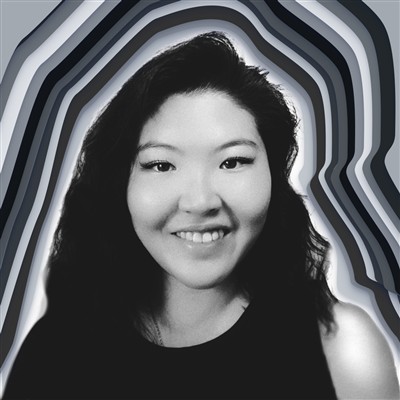
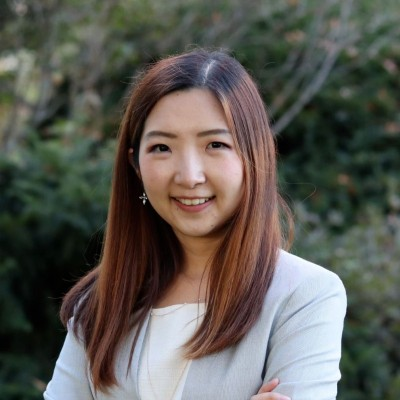
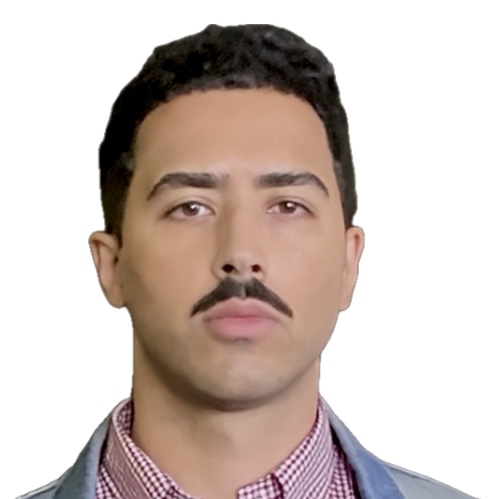


The problem
Once a referral leaves the primary care office, nobody can see where it is.
The primary care office sends the referral and loses sight of it. The specialist office receives a packet that may lack what it needs to triage. The patient waits without knowing whether anything is happening. When a referral stalls, nothing tells anyone.
How it works
Six stages, one shared record
Every handoff updates the same record. The line under each stage says who decides.
- ReferThe agent drafts the packet from the chart and asks follow-up questions. Patient consent is recorded.Coordinator and doctor approve
- SendThe packet goes out with its urgency. The patient gets a QR code that holds only a referral number.Coordinator sends
- ReviewThe specialist office accepts with a triage priority, asks for more information, or declines.Specialist decides
- BookThe patient picks an offered appointment time or asks for another.Patient chooses
- VisitThe patient shows the QR code at the front desk and is checked in.Specialist office
- ReplyThe specialist writes findings and a plan. Primary care is notified and the patient sees a summary.Specialist writes
Three views
Each person sees the part that is theirs
AI and people
The agent drafts and flags. People decide and send.
| Task | What the AI agent does | What a person decides |
|---|---|---|
| Referral packet | Drafts it from the chart, lists what it could not confirm, asks follow-up questions. | The coordinator reviews it; the doctor confirms the clinical question and urgency. |
| Stalled referral | Flags it and drafts a nudge or a booking reminder. | The coordinator reviews the draft and sends it. |
| Patient messages | Answers clear status or scheduling questions, only from the tracker’s status. | A nurse handles anything about health and anything unclear. |
| Visit | Sends visit preparation notes; alerts the clinic if the visit is missed. | Staff check the patient in; someone calls to rebook a missed visit. |
| Specialist reply | Matches the reply to the referral and notifies the primary care doctor. | The specialist writes the findings and the plan. |
Safety and trust
Design rules that limit what can go wrong
Where it stands
A prototype, not a product
- The six-stage flow runs end to end for type 2 diabetes, primary care to endocrinology.
- Three views in one app: patient, primary care office, specialist office.
- With an API key, Claude drafts the packet, asks follow-up questions, revises the draft and routes patient messages.
- Note drafting also covers nephrology, cardiology and orthopedic surgery referrals.
- All patients are synthetic. No real patient data has been used.
- Office, insurer and specialist actions are simulated. There is no EHR, payer or scheduling integration.
- Demo state lives in one browser; a record shared across sites is not built.
- Not clinically validated. No pilot, no customers, no outcomes data.
What comes next
Five steps to a first pilot
- EHR integration through FHIR. Read the chart from a real record system.
- A shared multi-site record. One record both offices and the patient reach.
- Real payer checks. Live eligibility and referral approval.
- Clinical safety review. Independent review of the drafting and message rules before real patients.
- Pilot. One clinic and one specialist group, measuring time to scheduled, loop closure and coordinator workload.
No dates are committed, and the order is a proposal.
Prototype built at the Claude Impact Lab for Digital Health in New York. All patients are synthetic (Synthea); no real patient data is used. Office, insurer and specialist actions are simulated, and what you do stays in your own browser. This public demo has no AI model behind it: drafts are labelled templates. Not for clinical use. Code: github.com/nitchakorn/ClaudeDigitalHealthHack